
Why are Ankle Sprains So Common?
History of an ankle sprain is one of the strongest predictors of a future sprain.
The fix isn’t a brace, it’s rebuilding strength and stability.
Here’s what you need to know:
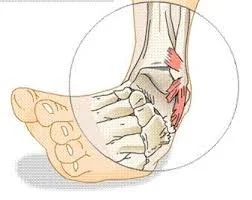
Signs of an Ankle Sprain:
Pain & Tenderness: Usually felt on the outside of the ankle bone when bearing weight or moving the foot.
Swelling: The ankle may swell and bruise quickly as fluid builds up in response to the injury.
Limited Range of Motion: Difficulty moving the ankle or walking normally.
How to Prevent Ankle Sprains:
Strengthen the ankles: Perform exercises like calf raises and resistance band movements to build strength and flexibility in your ankle muscles.
Improve Balance and Stability: Practice balance exercises such as standing on one leg to enhance coordination and proprioception.
Warm Up Properly: Perform a dynamic warm up including skips and hops to prep your ankles for practices and games
What to Do if You’re Dealing with an Ankle Sprain:
Elevate and ice the foot if swelling is present.
Perform gentle range of motion exercises - pump your foot up/down, side to side, in circles.
Start with calf raises using both legs, then progress to performing them on a single leg, then progress holding a dumbbell.
Begin with hops using both legs, progress to single-leg hops, and then focus on increasing speed and quickness.
Want to make sure your ankles stay injury-free this season?
Try these 5 Ankle Stability Exercises now!
Follow along to strengthen your ankles whether you’re recovering from a sprain or want to prevent one before it happens!
If you’ve tried rest, stretching, or “waiting it out” and it hasn’t worked, that’s exactly what our injury screens are designed for.
👉 Free Injury Screen (New Patients)
👉 Book a Session (Returning Patients)
