The Recovery Audit: Why Your “Rest Day” Might Be Failing You
Most people treat recovery like a chore or an afterthought. We tend to think that the harder we push in the gym, the faster we’ll see results.
But even as coaches, we have to remind ourselves: You don’t get stronger in the gym. You get stronger while you sleep.
Are You Actually Recovering?
To build a durable body, you need to audit your Systemic Stress. Your body doesn’t distinguish between a heavy squat session, a stressful chemistry exam, or a deadline at the office. To the nervous system, it’s all just "stress."
1. The Performance "Drug": Sleep
If we told you there was a legal supplement that could increase your sprint speed, improve your accuracy, and slash your injury risk by nearly 50%, you’d pay thousands for it.
That supplement is 8 hours of sleep.
For the Athlete: Research shows that athletes who get less than 8 hours of sleep are 1.7x more likely to get injured than those who sleep more.
For the Adult: Sleep is when your hormones reset. Lack of sleep spikes cortisol, which makes it harder to lose body fat and harder for your tendons to repair themselves after a workout.
2. The Hydration Myth
By the time you feel thirsty, your performance has already dipped. Dehydration makes your tissues "brittle." Think of a dried-out sponge vs. a wet one; the dry one snaps under pressure.
The Audit: Are you drinking half your body weight in ounces of water daily? If not, your "recovery" hasn't even started yet.
3. Passive vs. Active Recovery
There is a big difference between doing nothing and recovering.
Passive Recovery: Sitting on the couch for 8 hours. (This often leads to stiffness and poor circulation).
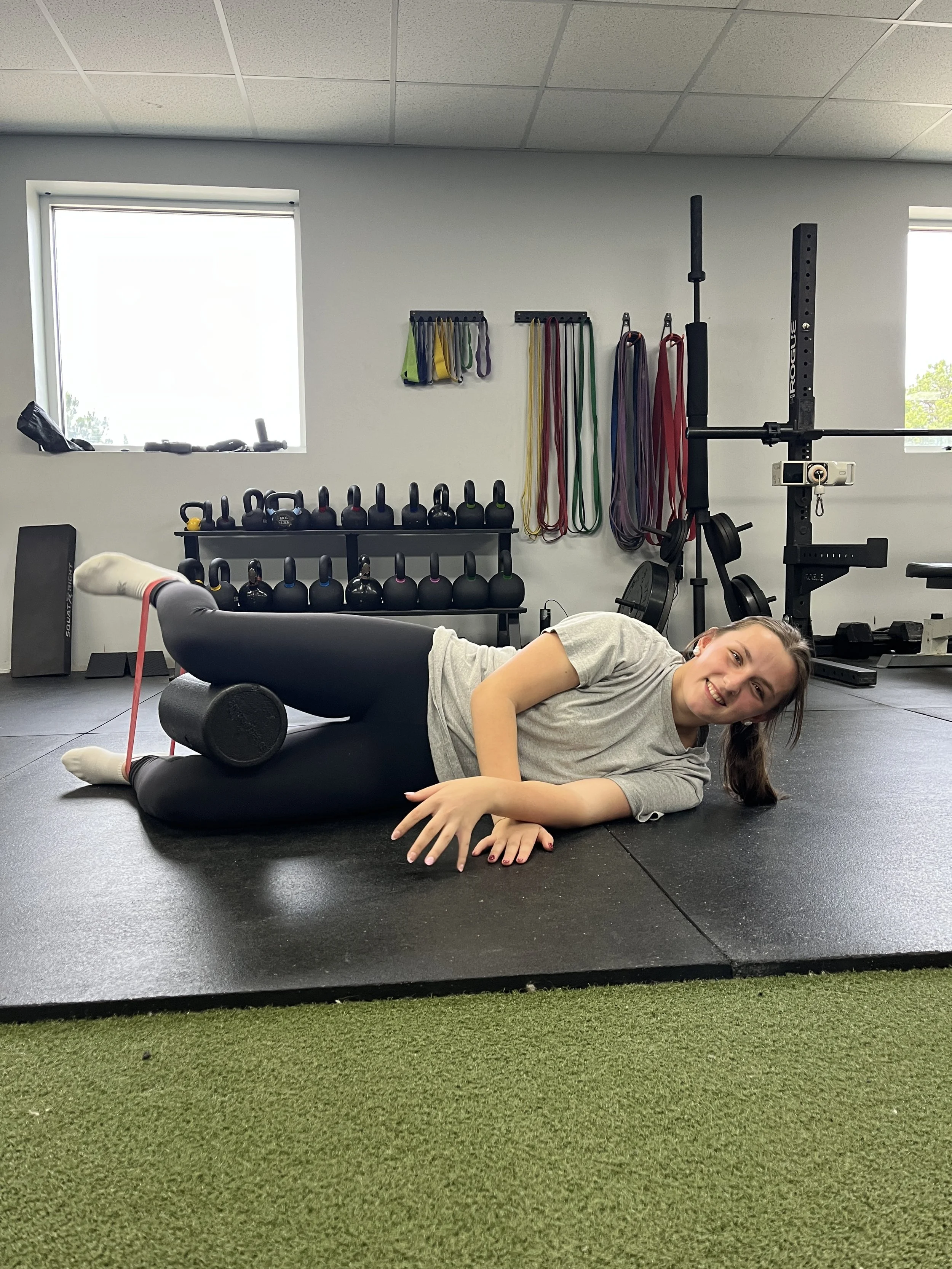
Active Recovery: A 20-minute light walk, some mobility work, or playing outside.
The Goal: Increase blood flow to the muscles without adding more stress to the nervous system. Blood carries the nutrients that repair the "micro-tears" created during training.
The March Recovery Checklist
See how your recovery stacks up! Run through this audit for one week:
[ ] The 8-Hour Rule: Did I get at least 8 hours of sleep?
[ ] The Fuel Check: Did I eat enough protein today to repair my muscles? (1 gram protein per pound bodyweight)
[ ] The Stress Check: Is my non-gym stress less than a 5, on a scale of 1–10?
[ ] The Hydration Check: Are you drinking half your body weight in ounces of water daily?
The Takeaway
Durability is a 24/7 job. If you want to be a high-performance machine on the field or in the weight room, you have to be a high-performance sleeper and eater. Stop treating recovery like a luxury; treat it like the foundation of your strength.