
Knee Pain With Running or Jumping?
Knee Pain Slowing You Down?
If your knees ache during running, jumping, or even hours after practice, here’s what might be causing it and how to fix it.
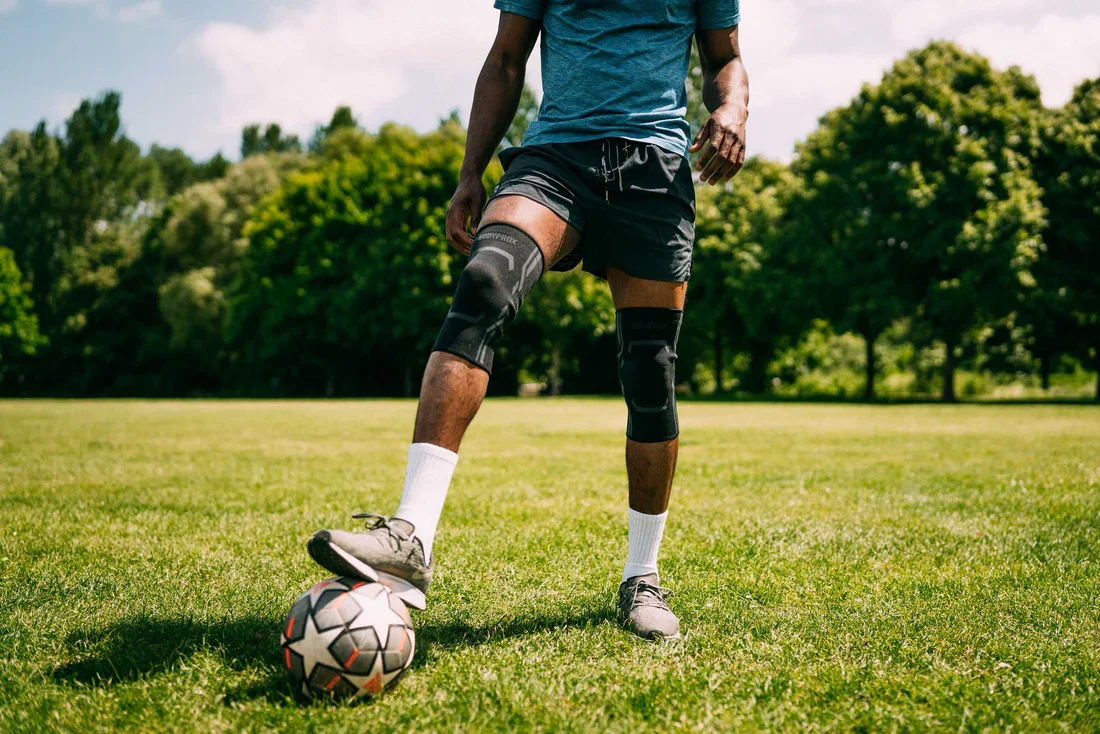
Signs of Patellar Tendonitis or Osgood-Schlatter:
Pain or Tenderness Below the Kneecap: Discomfort at the front of the knee on the tendon or bony bump at the top of the shin
Pain During Activity: Pain worsens with running, jumping, stairs, or kneeling and may improve with rest
Stiffness: Stiffness in the knee, especially after prolonged periods of sitting
How to Prevent Patellar Tendonitis:
Strengthen the Supporting Muscles: Incorporate exercises like squats, lunges, and bridges to support the muscles around the knee joint
Gradually Increase Activity: Spikes in activity (such as the start of a season after a season off) can be too much for the knee to handle and result in pain
Weight Lift Year Round: Lifting year-round builds strength, prevents injuries, and ensures consistent performance and progress.
What to Do if You’re Dealing with Patellar Tendonitis:
Stretch the quadriceps daily
Gradually reintroduce movement - Find exercises that don’t aggravate the knee and send blood flow to the legs (Banded knee extensions, bridges, split squats)
Build quadriceps strength back up with squats, lunges, step ups
Slowly build back tolerance to sprinting (the higher intensity movements tend to be the most bothersome)
Want to make sure your knees stay injury-free this season?
Try these 5 Quad Strengthening Exercises now!
Follow along to strengthen your knees whether you’re recovering from a pain or want to prevent it before it happens!
If you’ve tried rest, stretching, or “waiting it out” and it hasn’t worked, that’s exactly what our injury screens are designed for.
👉 Free Injury Screen (New Patients)
👉 Email to Book a Session (Returning Patients)
